Scopes, Sights & Optics Buying Guide
Buy scopes, sights and optics online by comparing models, checking current availability, and reviewing specifications such as caliber, capacity, barrel length, and sight configuration. Selecting the right optical equipment depends on your platform, target distance, and the lighting conditions you expect to encounter.
Use these pointers to focus your search:
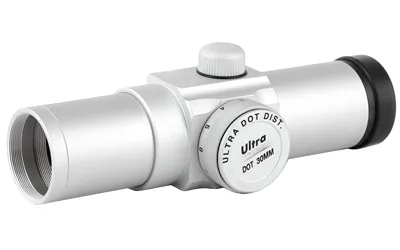
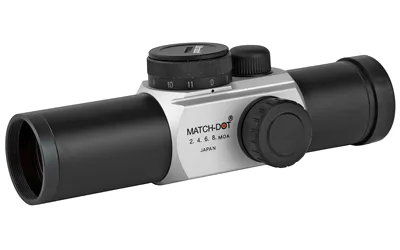
- Match optics to your handguns, since miniature red dot sights, laser sights, and tritium iron sights each suit different defensive carry and range applications on pistols and revolvers.
- Pair quality optics with your rifles, since hunting bolt guns, precision rifles, AR-platform builds, and lever guns each call for different magnification ranges, objective sizes, and reticle styles.
- Outfit your shotguns with appropriate sighting solutions, since red dots, ghost ring irons, and slug-rated scopes each suit different shotgun applications from defense to deer slug season.
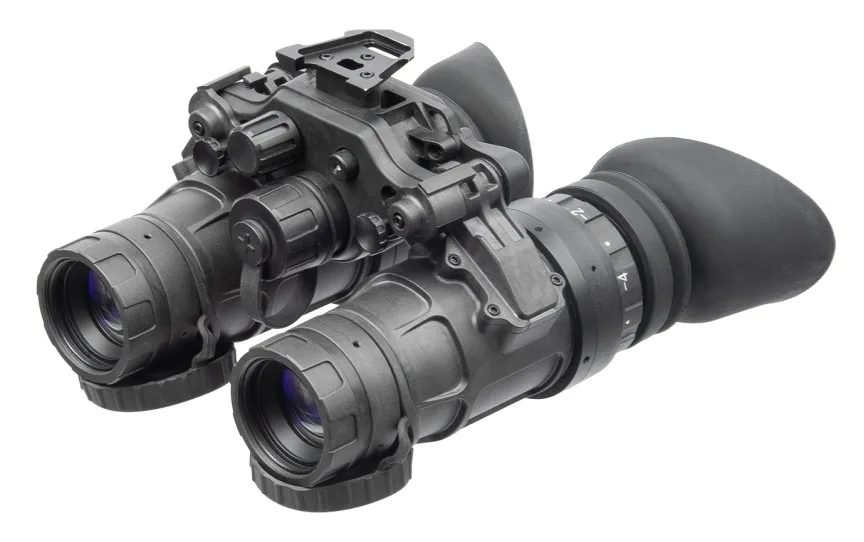
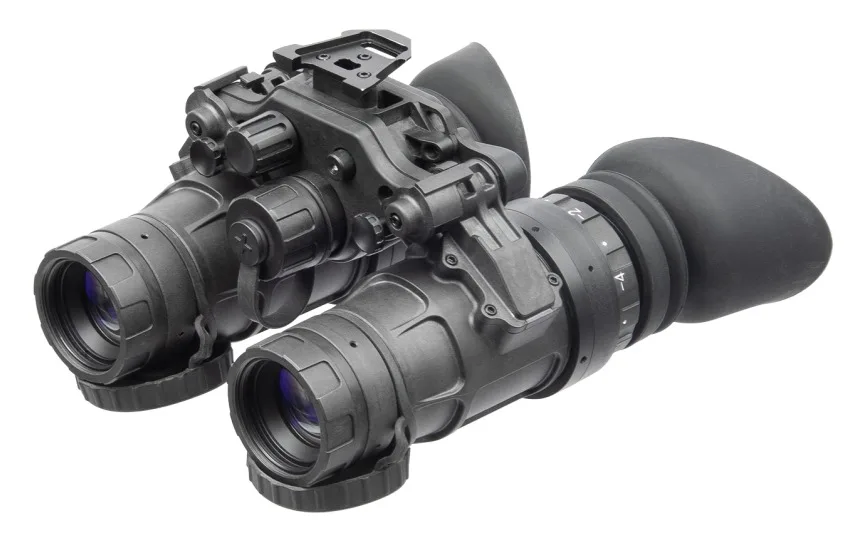
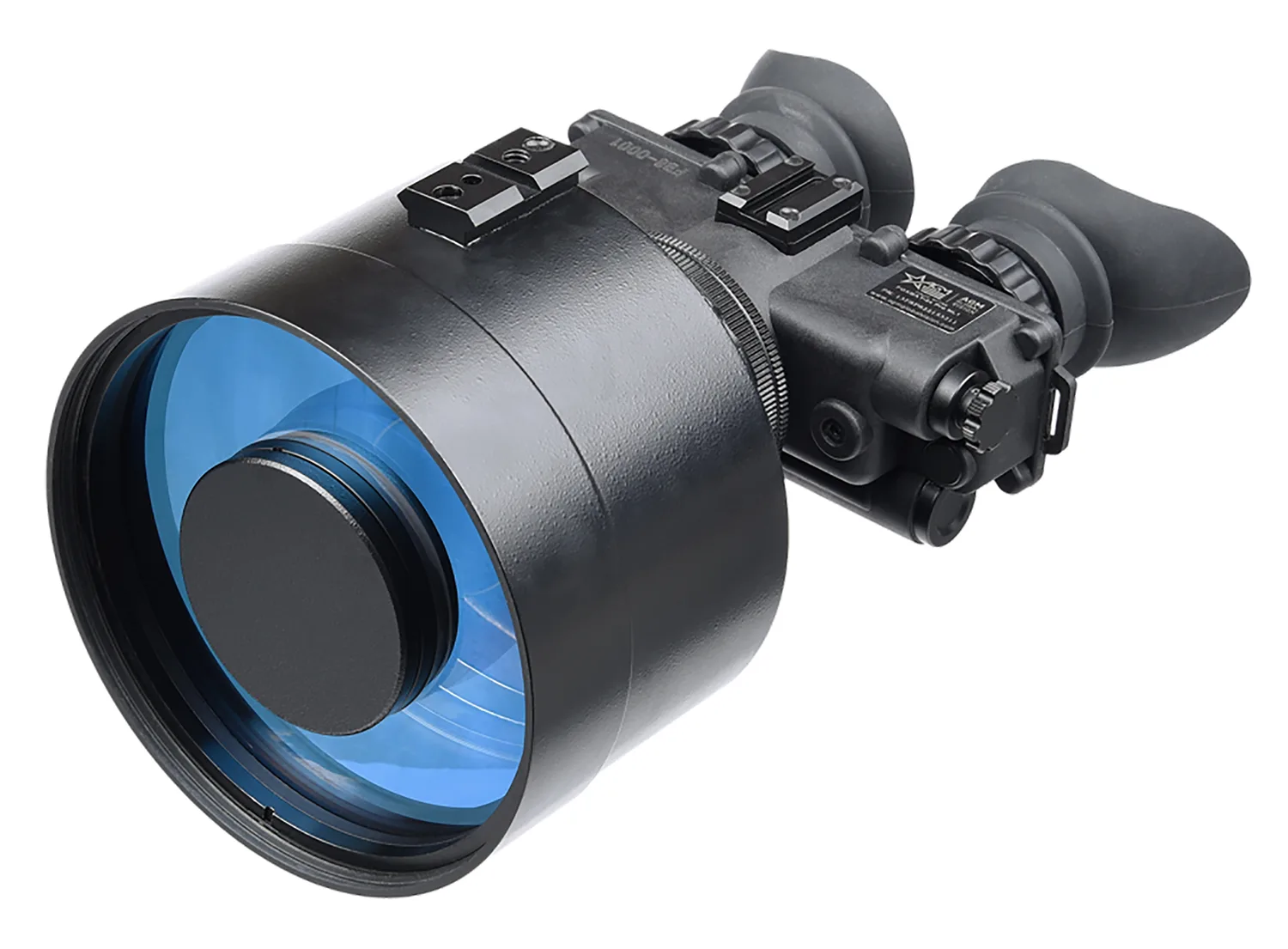
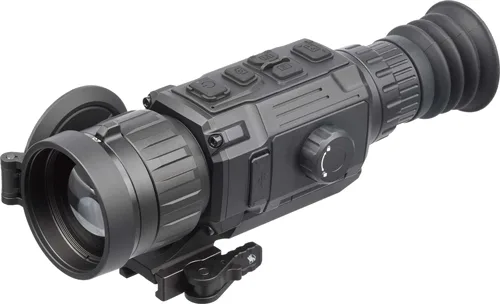
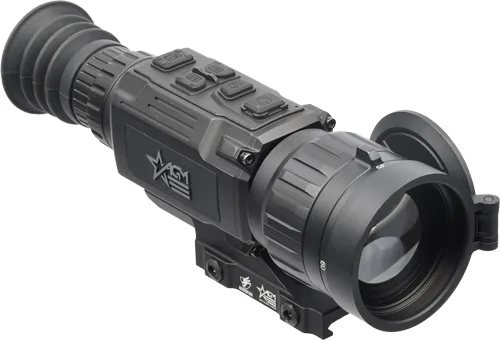
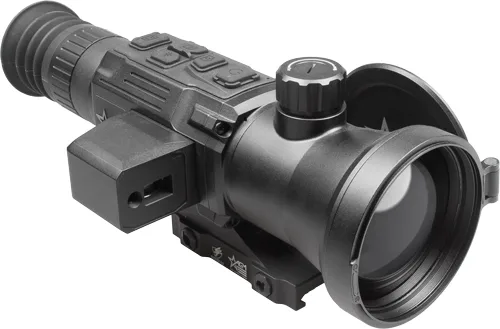
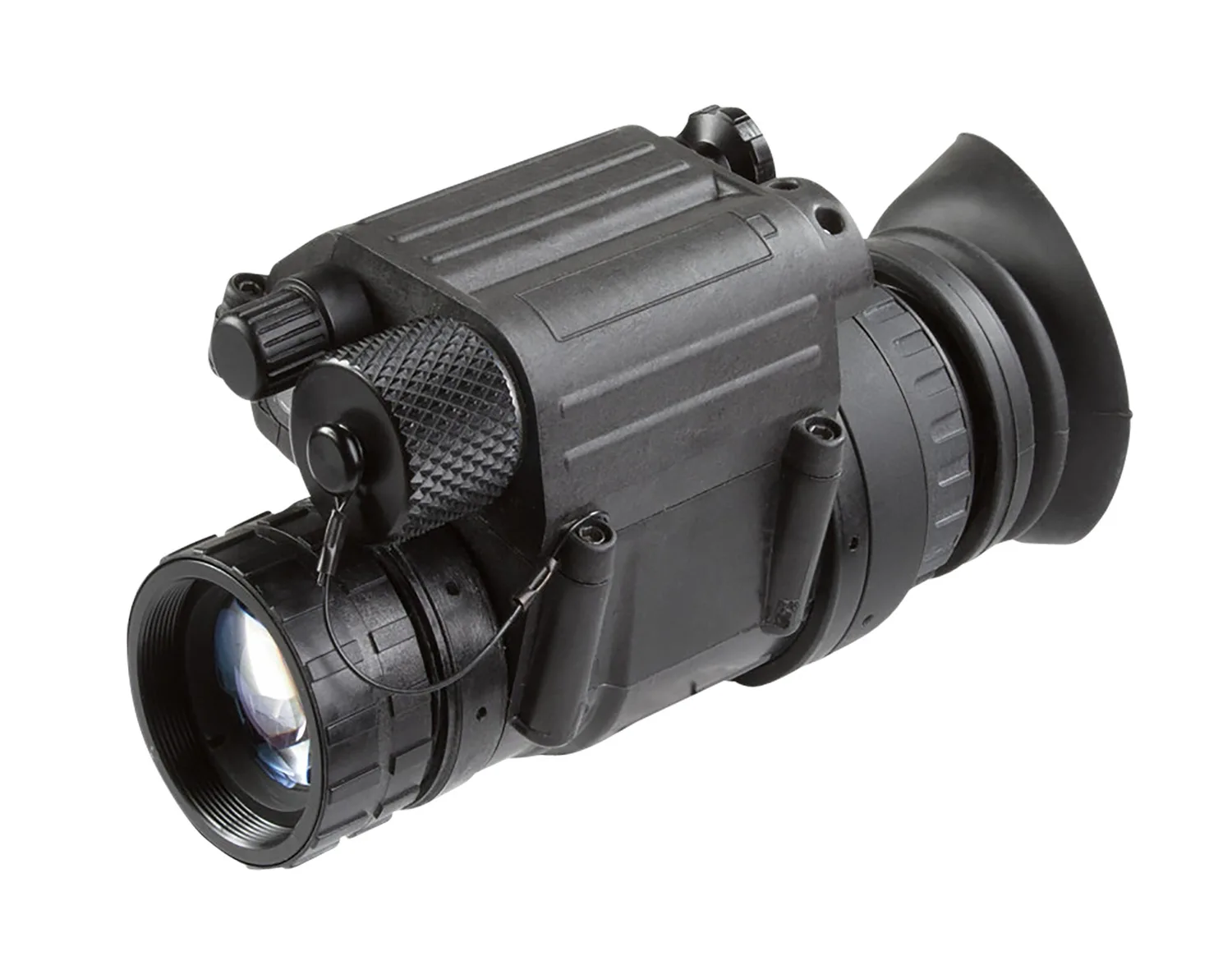
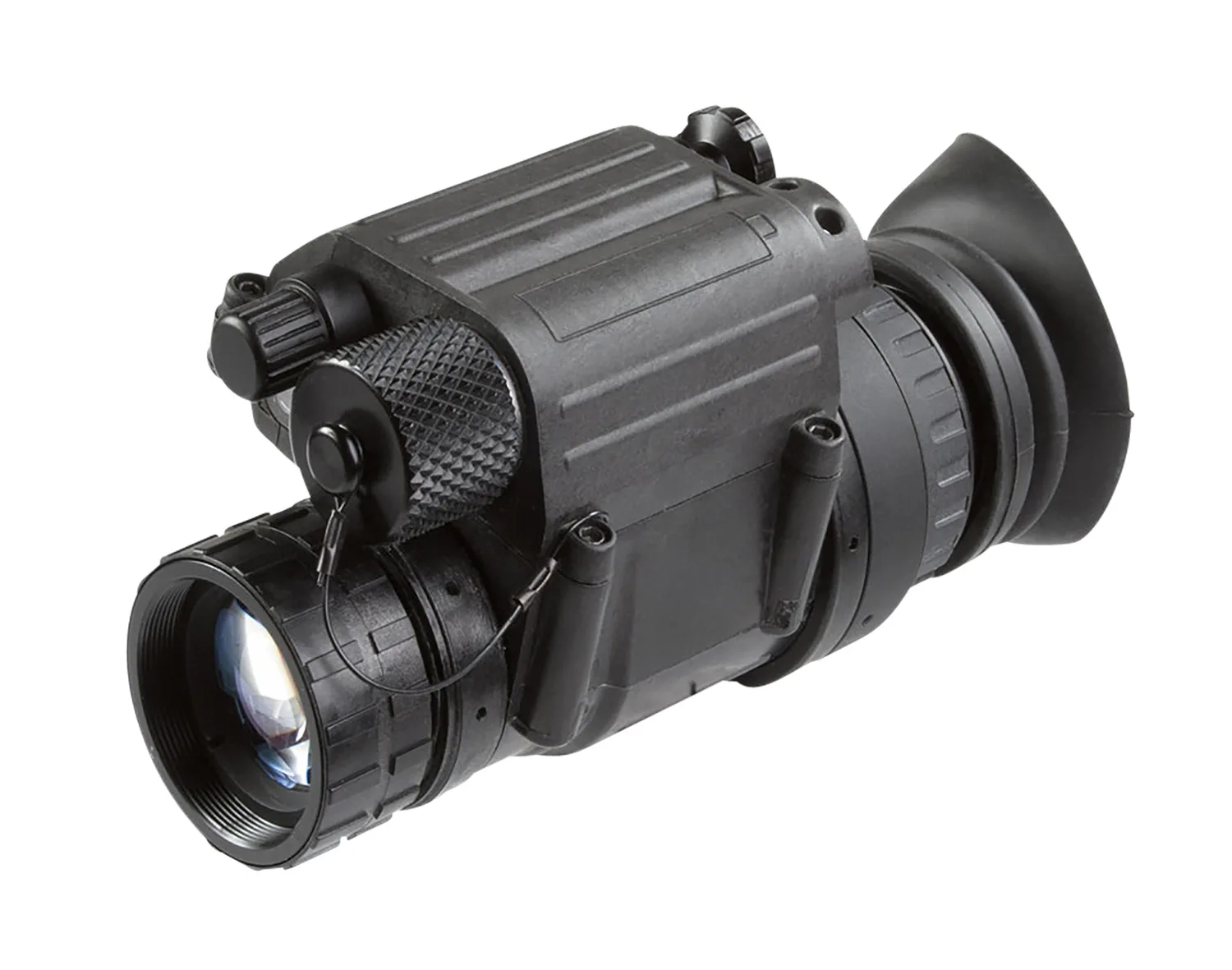
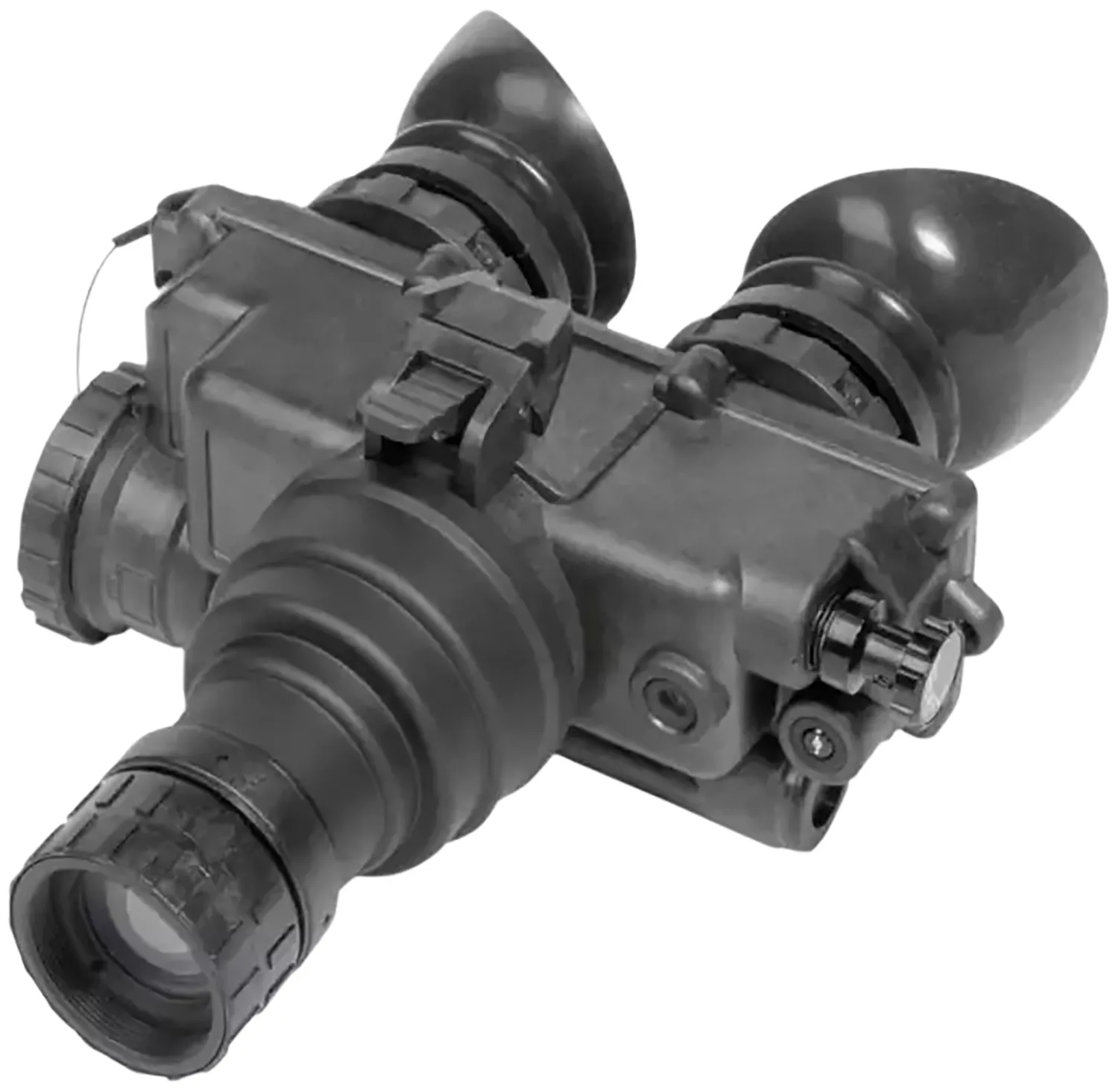
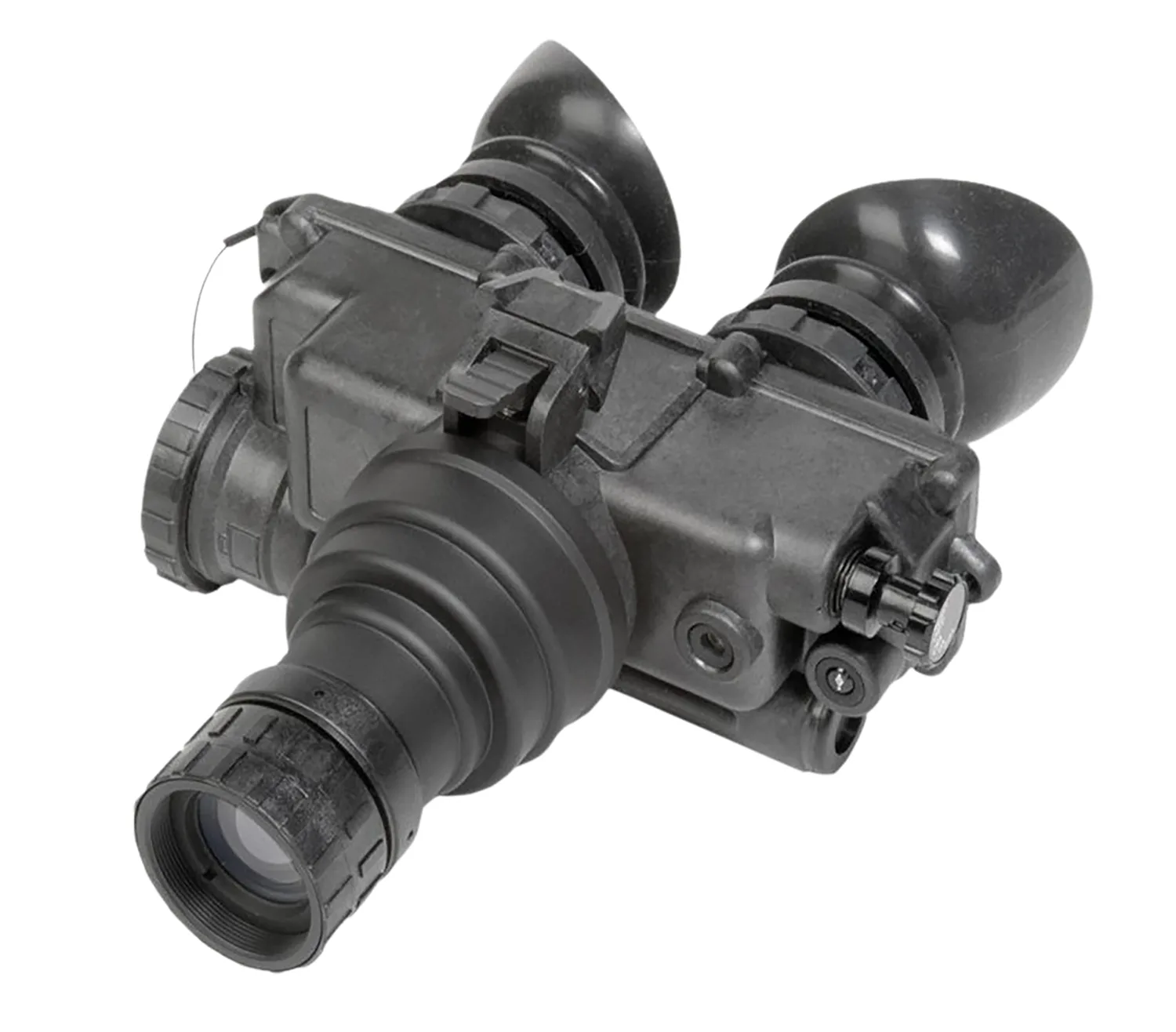
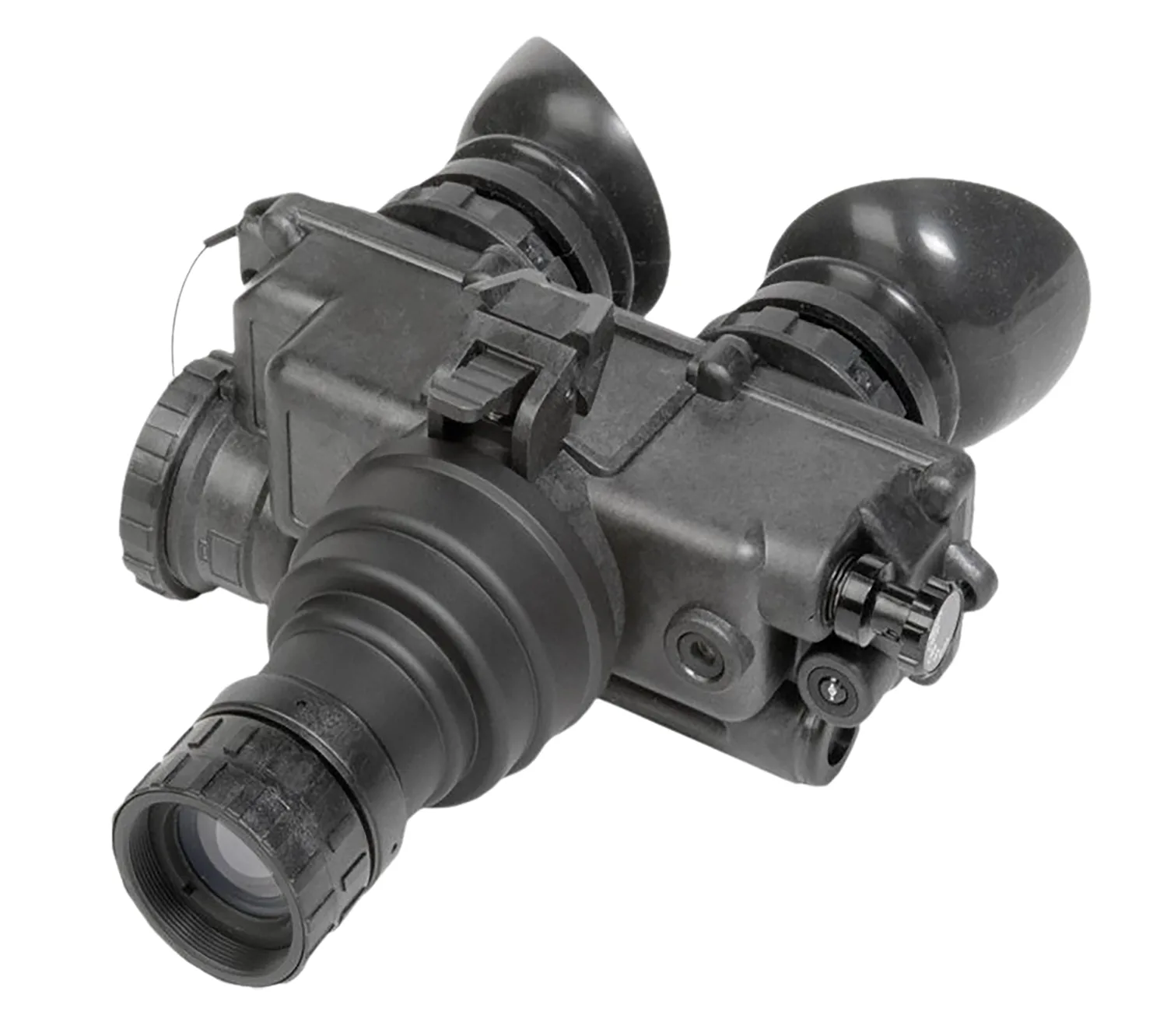
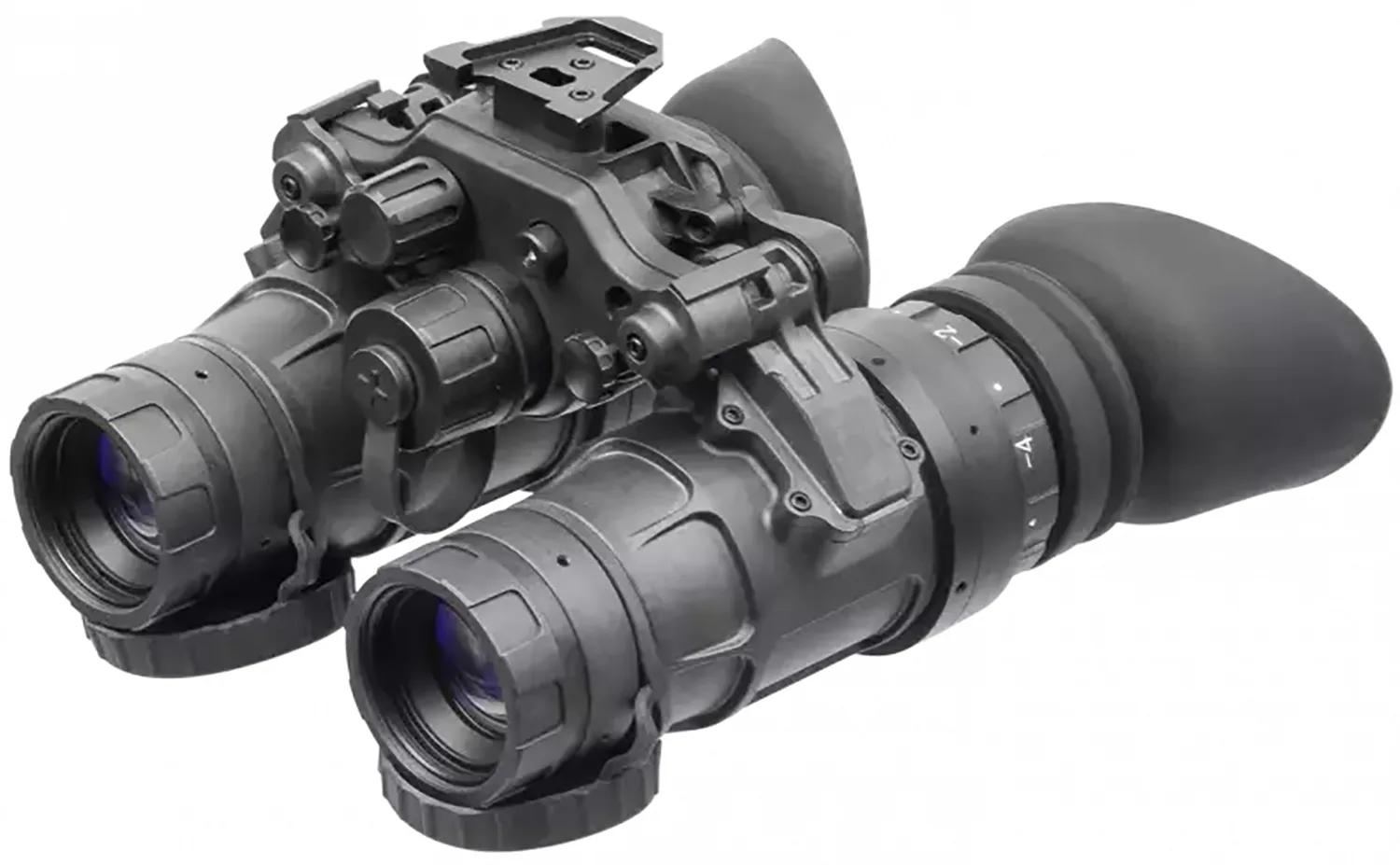
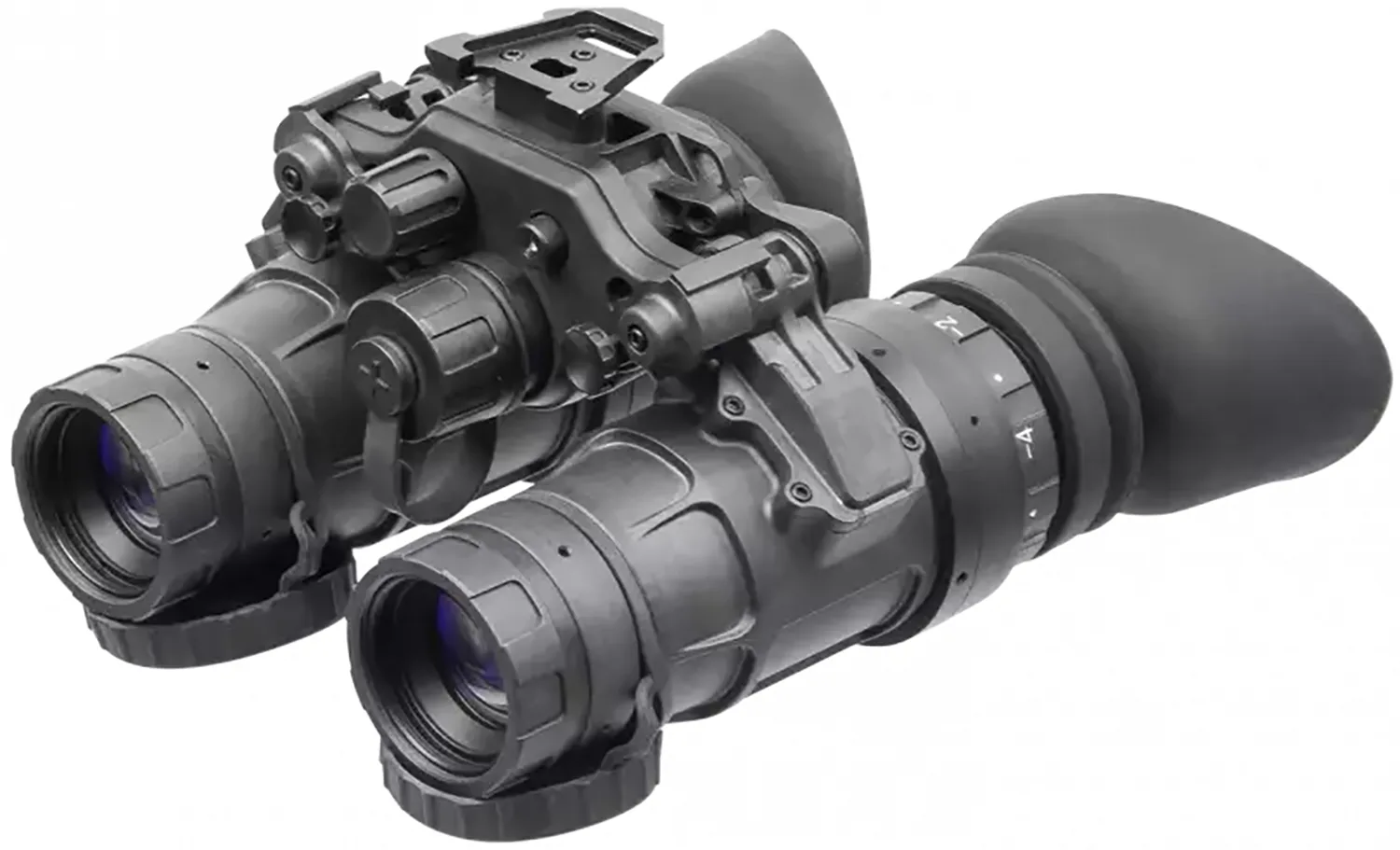
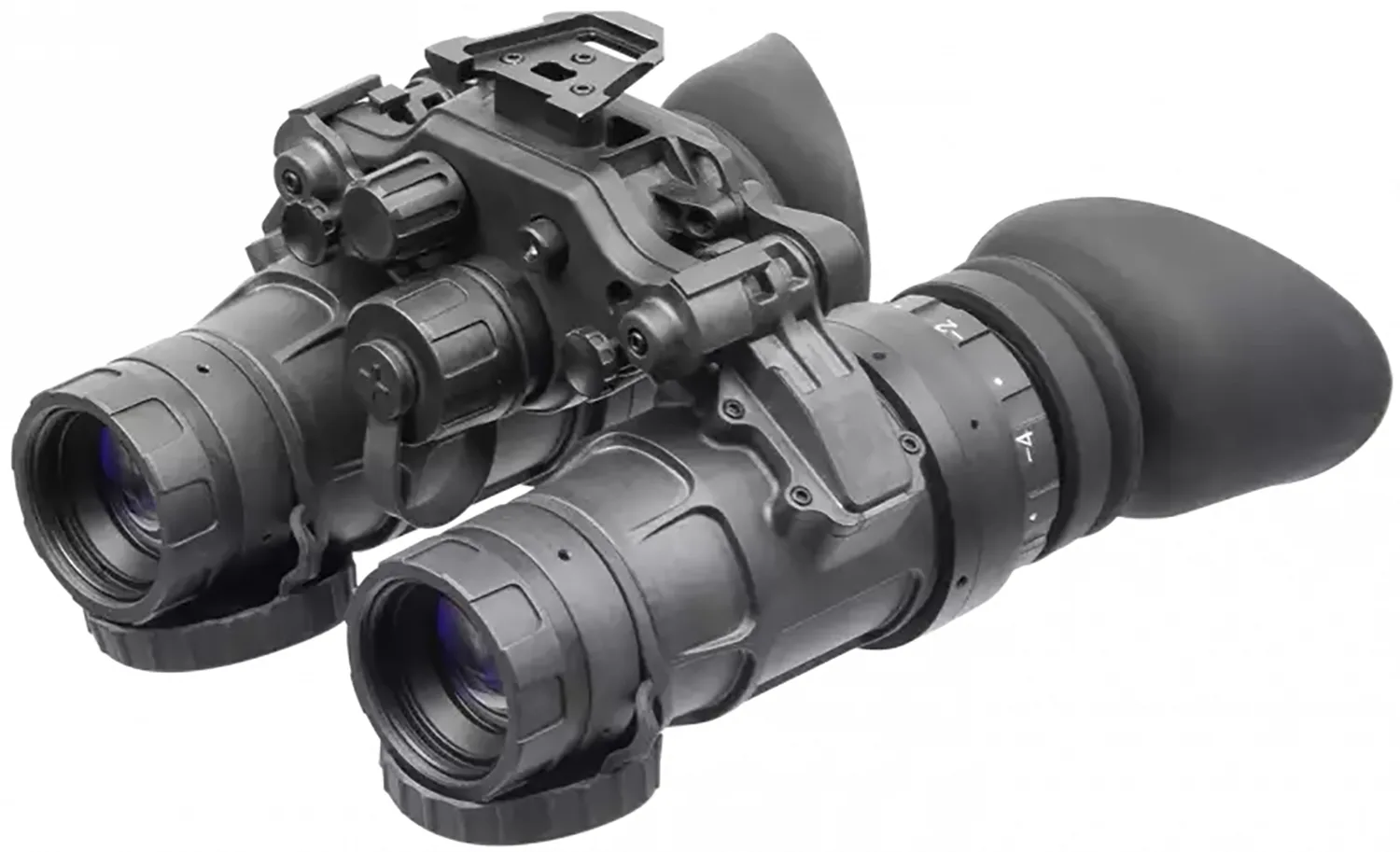
- Extend your hunting and observation hours after dark with night vision optics, since digital and image-intensified devices deliver clear target identification for predator hunting, security, and after-hours pest control on the plains.
- Glass up game and confirm targets at distance with quality binoculars, since 8×42 and 10×42 configurations balance brightness, field of view, and weight for hunting, scouting, and general field use across open country.
- Add a quality weapon light to your defensive setup, since dedicated handgun and long gun lights provide the target identification capability that separates a safe defensive shot from a tragic mistake in low light.
Local And Compliance Notes
Browse scopes, sights and optics online or visit the gun shop in Wauneta, Nebraska to handle different reticles, check eye relief, and compare glass clarity in person. Double 9 Firearms serves customers in the nearby cities of Imperial, McCook, and Ogallala, stocking optics for whitetail and mule deer hunting, antelope hunts, predator and varmint work, three-gun competition, defensive carry, and precision rifle shooting across southwest Nebraska.
Most optics ship without federal firearms restrictions and do not require a background check or ATF Form 4473, though night vision and thermal devices may be subject to International Traffic in Arms Regulations (ITAR) and other export control rules that prohibit shipment outside the United States. Nebraska does not impose state-level optic restrictions for civilian sporting use, and night vision and thermal optics are legal for predator and non-game species hunting under current Nebraska Game and Parks Commission rules.
Mount optics using torque-rated rings or mounts and verify zero before relying on a setup for hunting or defense, since loose mounting hardware is the most common source of accuracy and reliability issues. Store optics in padded cases or with lens caps installed to protect coatings, and contact the shop with questions about availability, fitment, or special-order configurations.